7 Renovation Ideas for a Safer, Simpler Retirement at Home
- Sean Clinch
- Nov 4, 2025
- 5 min read

Retirement should be about enjoying your golden years in the comfort of your own home, not worrying about whether it's safe to navigate your hallway at night or struggling with a bathroom that wasn't designed for changing needs. At Clinden Constructions, we see this every day: homeowners who love their neighbourhood and want to stay put, but need their homes to work better for them as they age.
The good news? You don't need to move to a retirement village or downsize to a smaller place. With the right renovations, your current home can become even more comfortable, safer, and perfectly suited for independent living well into the future.
Here are seven renovation ideas that combine safety, convenience, and modern style: because aging in place doesn't mean compromising on how your home looks or feels.
1. Create Single-Level Living Spaces
The biggest game-changer for many of our clients is reimagining their homes around single-level living. This doesn't necessarily mean knocking down your second storey: it's about strategically relocating your most-used spaces to avoid daily stair climbing.
We often help homeowners move their master bedroom and ensuite to the ground floor, or convert an existing room like a formal lounge into a comfortable bedroom suite. The key is creating a space where you can comfortably live, sleep, and access a bathroom without navigating stairs multiple times a day.
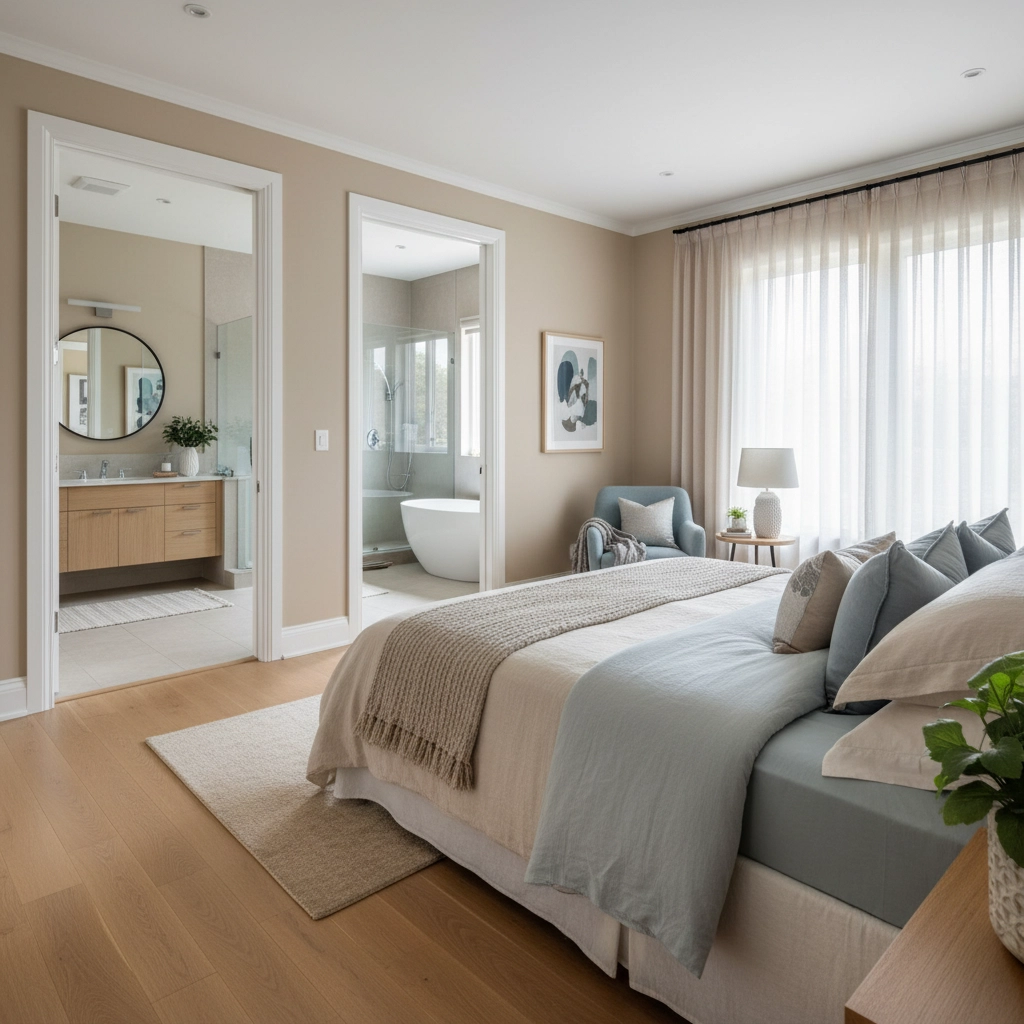
This approach also future-proofs your home. Even if you're climbing stairs easily now, having everything you need on one level means you won't need to make major changes later if mobility becomes more challenging.
2. Transform Your Bathroom Into a Safety Haven
Bathrooms are where most home accidents happen, but they're also where some of the most effective safety improvements can be made. We specialise in creating bathrooms that don't just look beautiful: they're designed with your long-term independence in mind.
The star of most bathroom renovations is replacing traditional bathtubs with spacious walk-in showers. No more stepping over high tub edges: just walk straight in. We install grab bars that actually complement the design (they don't have to look clinical), non-slip flooring that feels good underfoot, and shower seats that fold away when not needed.
For vanities, we ensure they're the right height for seated use and create space underneath for wheelchair access if needed down the track. LED lighting around mirrors eliminates shadows, making daily routines safer and more pleasant.
What our clients love most? These bathrooms look and feel like luxury spa retreats, not medical facilities.
3. Make Your Kitchen Work Harder for You
The kitchen is the heart of your home, so it should support you, not challenge you. Our accessible kitchen designs focus on creating spaces that are beautiful and functional, whether you're standing or sitting while you cook.
We install pull-out shelves in lower cabinets (no more crawling around looking for that pot at the back), vary counter heights so you have options for sitting while you prep, and ensure appliances are positioned at comfortable reach levels. Deep drawers replace lower cabinets wherever possible: they're so much easier for accessing heavier items.
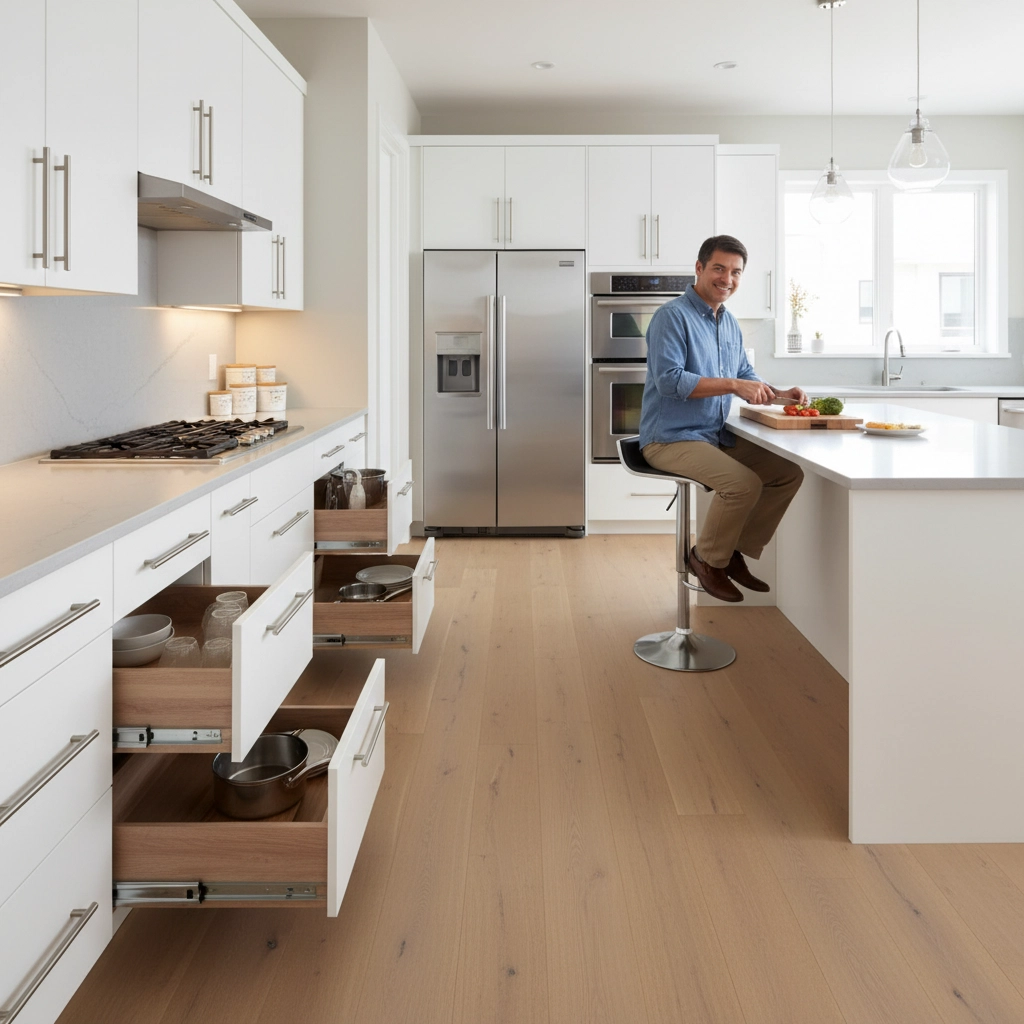
Open layouts are crucial too. We make sure there's plenty of space to move around, even with mobility aids, and that the path between your fridge, sink, and cooking area is completely clear. Smart touches like motion-sensor lights under cabinets and automatic shut-off features on appliances add both convenience and peace of mind.
4. Light Up Your Life (Literally)
Good lighting isn't just about seeing better: it's about preventing falls and making your home feel welcoming at any time of day. Our lighting upgrades go well beyond just installing brighter bulbs.
We create layered lighting systems that include bright overhead LED lights in key areas, motion-activated lights in hallways and bathrooms (no fumbling for switches in the dark), and strategically placed night lights that guide you safely from bedroom to bathroom.
Outdoor lighting is equally important. We install dusk-to-dawn lights at entryways and along pathways, so you never have to navigate in the dark when coming home or taking out the bins.
The best part? Modern LED systems are incredibly energy-efficient, so better lighting doesn't mean higher electricity bills.
5. Open Up Your Pathways
Standard doorways are typically 820 mm wide, which can feel cramped if you're using a walking frame or wheelchair, or even just trying to move furniture. We widen doorways to 870 mm wherever possible, creating a more open, accessible feel throughout your home.
This isn't just about current needs: it's about ensuring your home can accommodate any mobility aids you might need in the future. Wider hallways and doorways also make your home feel more spacious and modern, which is a nice bonus.
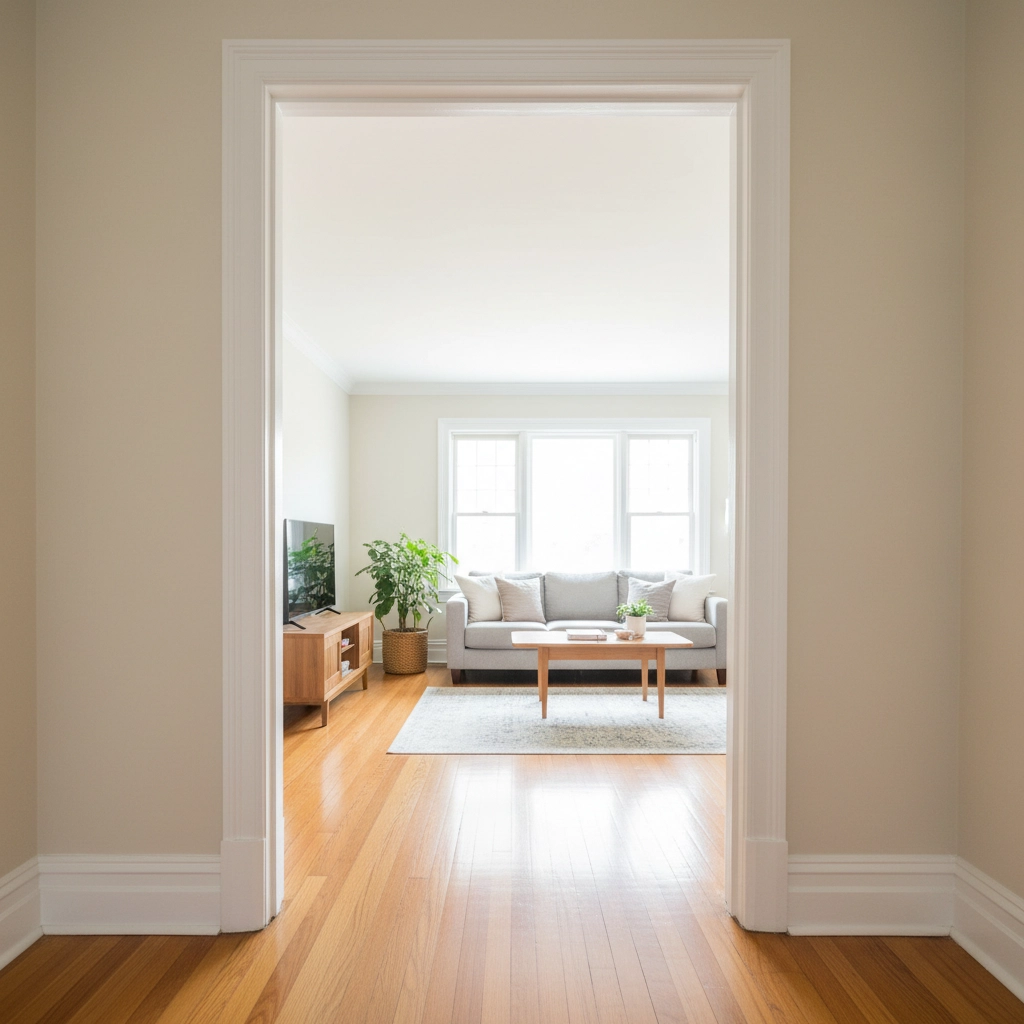
We also look at the flow between rooms, ensuring clear pathways and removing any architectural barriers that could become problematic. Sometimes it's as simple as relocating a wall or changing the direction a door swings.
6. Make Stairs Safer (Or Avoid Them Altogether)
If your home has stairs you can't eliminate, we make them as safe as possible. This includes installing sturdy handrails on both sides, ensuring adequate lighting at the top and bottom, and improving the visibility of each step.
For many clients, a stair lift is the perfect solution. Modern stair lifts are surprisingly discreet and can be installed in just one day, even on curved staircases. They're an economical way to maintain access to upper levels without major structural changes.
We also address outdoor steps leading to your front door. Sometimes this means building gentle ramps, other times it's about installing railings or even outdoor stair lifts for steeper entrances.
7. Eliminate Trip Hazards Throughout Your Home
This might seem obvious, but you'd be surprised how many potential trip hazards exist in most homes. We help identify and eliminate these risks while maintaining the style and functionality you love.
Loose carpet edges get secured or replaced with safer flooring options. Electrical cords are routed behind furniture or secured to walls. Area rugs either get non-slip backing or are replaced with safer alternatives that lay completely flat.
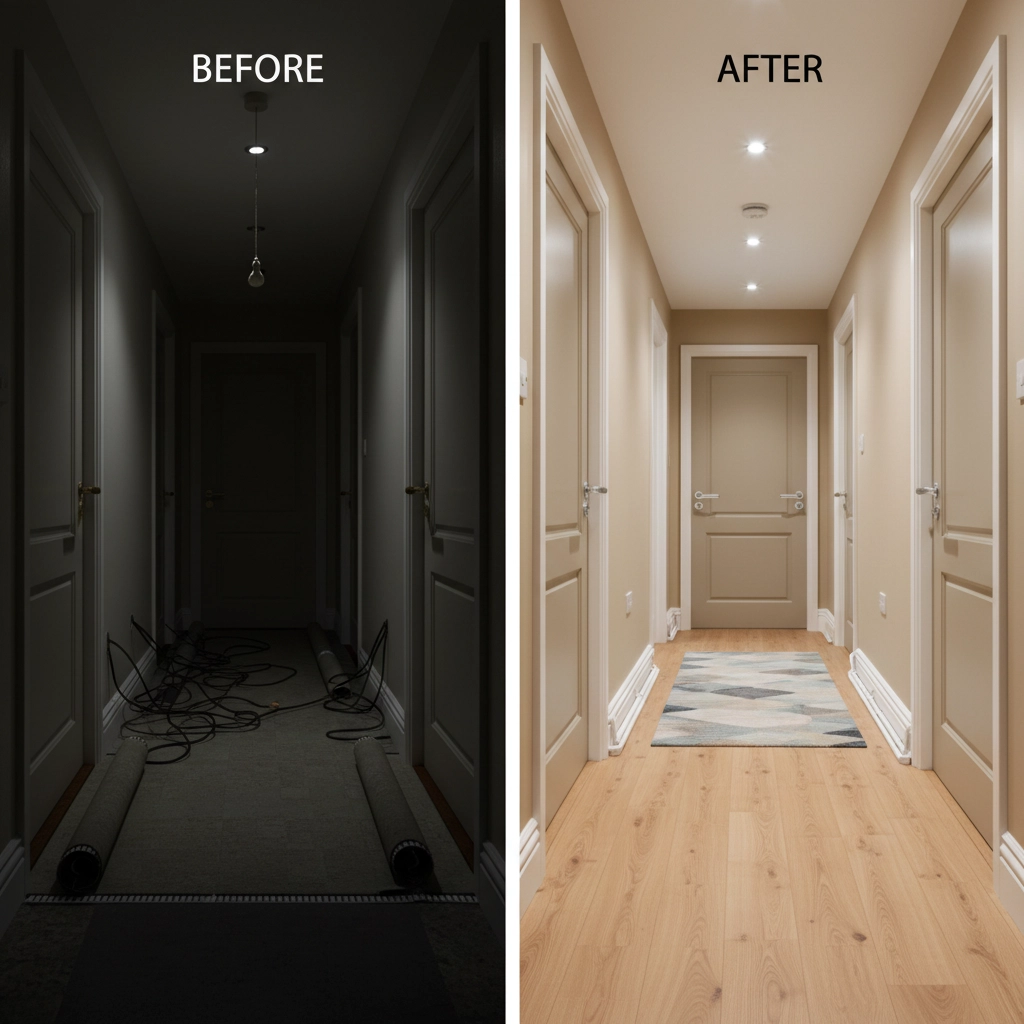
We also update switches and handles throughout your home: replacing traditional round door knobs with easier-to-grip lever handles, and installing rocker light switches that work with a gentle touch rather than precise finger pressure.
Even small changes like ensuring adequate clearance around furniture and creating clear sight lines throughout your home can make a huge difference to daily safety.
Why Choose Clinden for Your Aging-in-Place Renovation
At Clinden Constructions, we understand that these renovations aren't just about safety: they're about maintaining your independence and staying in the home and community you love. You'll work directly with us throughout the entire process, not get passed between different contractors and subcontractors.
We manage every aspect of your renovation, from initial planning and permits to final cleanup, so you can relax and focus on the exciting parts: like choosing finishes and seeing your vision come to life. Our accessible design expertise means we know how to balance function with style, creating spaces that work beautifully for your current and future needs.
Most importantly, we're local builders who understand the unique characteristics of homes in our area and the specific needs of homeowners who want to age in place gracefully.
Your home should support your independence, not challenge it. With thoughtful renovations that combine safety, style, and functionality, you can create a space that truly grows with you: keeping you comfortable, confident, and connected to the community you call home.
Ready to explore how your home can better support your future? Let's talk about making your house work perfectly for the life you want to live.

Comments