Surviving Soaring Renovation Costs in 2025: Tips for Melbourne Homeowners Who Value Quality
- Sean Clinch
- Aug 20, 2025
- 4 min read

Melbourne’s renovation market keeps charging ahead, but the costs just keep climbing. Timber prices are up 25%. Skilled trades are in short supply. And even the simplest reno can feel like you’re riding a rollercoaster—only it’s your wallet that’s getting tossed around.
But there’s hope. If you value quality, there are clever ways to keep your project humming along without cutting corners (or pulling your hair out). Here’s how to dodge the biggest budget blowouts and make every dollar count in 2025.
Understanding What Drives the Costs — and What You Can Control
If you’re dreaming of transforming your home in Melbourne this year, you’ve probably run into “sticker shock.” Medium-sized renovations can set you back $200,000–$350,000. Building quotes for $2,000–$4,000 per square metre aren’t uncommon, either.
So why is it so expensive? Rising renovation costs are mostly due to:
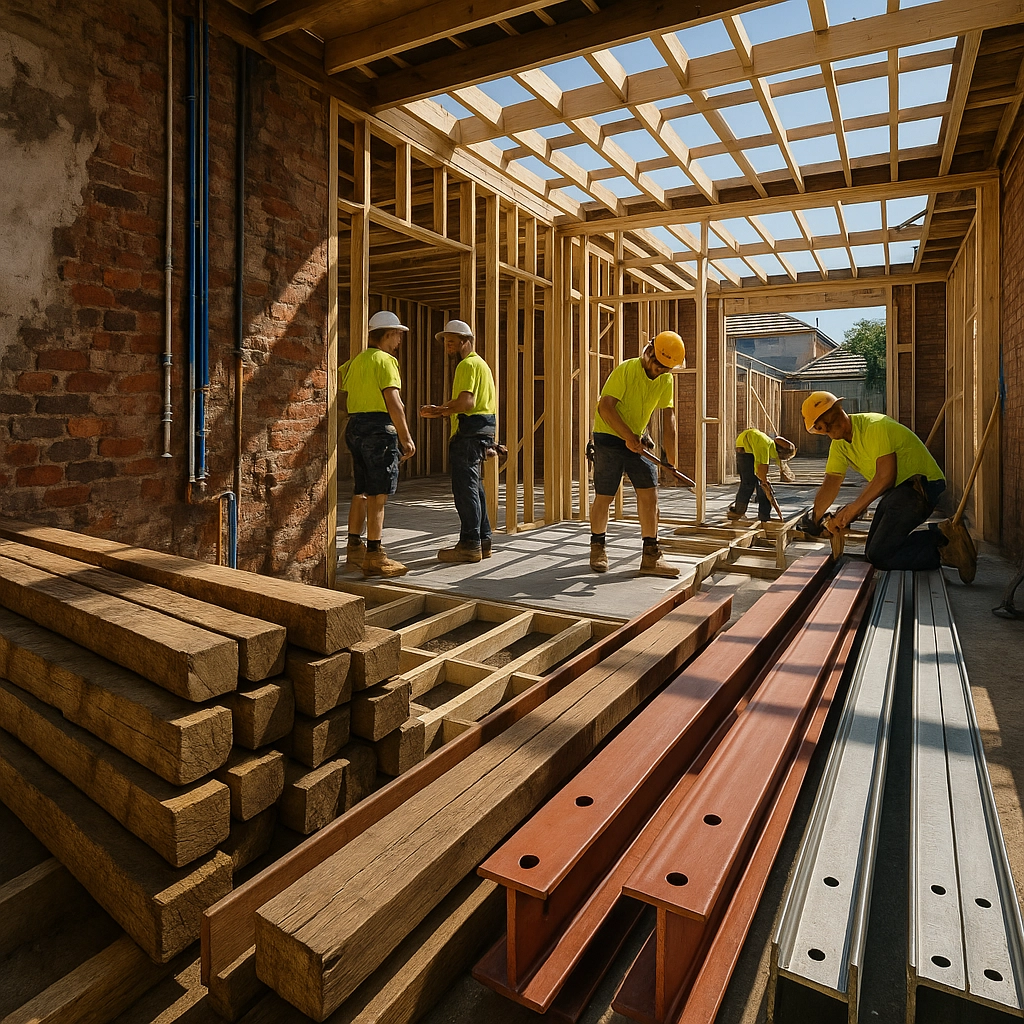
Material prices — Timber, steel, tiles, and concrete have all jumped up due to global supply issues.
Labour shortages — Getting the right tradies takes time (and cash).
Unpredictable extras — Surprises lurk behind every old wall.
While you can’t control global prices, you can control your process, planning, and how you spend each renovation dollar.
Budgeting Like a Pro (Without Sacrificing Quality)
Plan Your Budget — and Add Wiggle Room
Quality renovations start with a realistic budget. Add a 10–15% buffer right from the start. This gives you breathing space if you hit a snag (old wiring, hidden water damage, that “whoops, we need council approval” moment).
Get Multiple Quotes — and Read the Fine Print
Three is the magic number: always get at least three quotes from reputable builders. Want more insight? Check past projects, like our recent renovations. Compare what’s actually included — demolition, site prep, clean-up, material brands. Don’t just pick the lowest price. Quality builders spell out costs and stand behind their work.
Prioritise Where You Spend
If you’re on a tighter budget, put your dollars where it counts. Kitchens and bathrooms chew up the biggest portion, but they also add the most value. Living areas and outdoor upgrades? Great, but not if your bathroom pipes are leaking.
How to Keep Quality High When Money’s Tight
Choose Materials That Work Hard and Look Good
Not every surface needs to be top-of-the-range stone from Italy. Mix higher-end feature finishes with more affordable, durable options for the rest. Quality doesn’t always mean “luxury”; it means lasting, practical, and easy to maintain for years to come.
Lock In Your Choices Before the First Hammer Falls
Changing your mind mid-reno? That’s a one-way ticket to budget blowouts. Work with your builder to finalise plans, materials, and layouts before anyone swings a hammer. Doing your homework up front slashes the odds of painful (and expensive) surprises.
Stage Your Renovation
Don’t have the cash to do it all at once? Consider staging: kitchen one year, bathroom next, landscape after that. Breaking the project into logical chunks keeps life liveable (and finances less frantic) while letting you focus on quality, one room at a time.
Rethinking “Renovate or Rebuild?”
When Sticking With Renovation Makes Sense
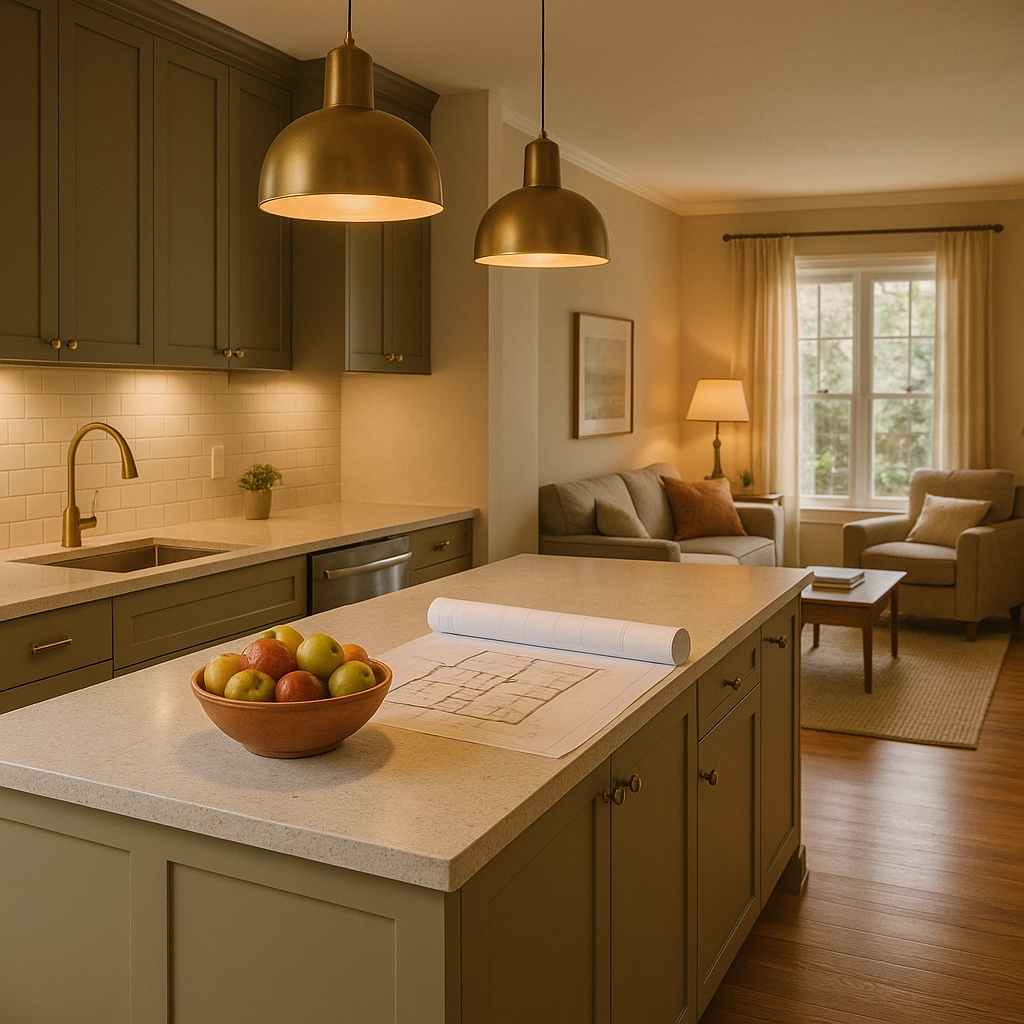
If your home’s bones are solid and you love your street, renovating is usually less disruptive and (sometimes) more affordable than a full knockdown-rebuild. If your plans are minor or moderate—new kitchen, open-plan living, fresh facade—renovation keeps your budget grounded. Experts say if your reno costs will be under 60% of a full rebuild, you’re probably making the right call.
But… If You’re Gutted Anyway
Sometimes, everything needs replacing—wiring, plumbing, roof, foundation. In these cases, a full rebuild might surprisingly save you time, grief, and even dollars. Do the maths with your builder.
Room-By-Room: Where to Invest (and Where to Save)
Kitchens: Expect $30,000–$80,000 for top-quality finishes and layouts. Go quality on benchtops and cabinetry; opt for solid appliances that last.
Bathrooms: $14,900–$40,000 is typical. Prioritise waterproofing, good ventilation, and easy-to-clean surfaces.
Living Spaces: $12,000–$25,000 for open-plan conversions or media rooms. Save by using smart paint and mid-range flooring.
Bedrooms: $2,500–$15,000. Simple design, built-in robes, smart lighting.
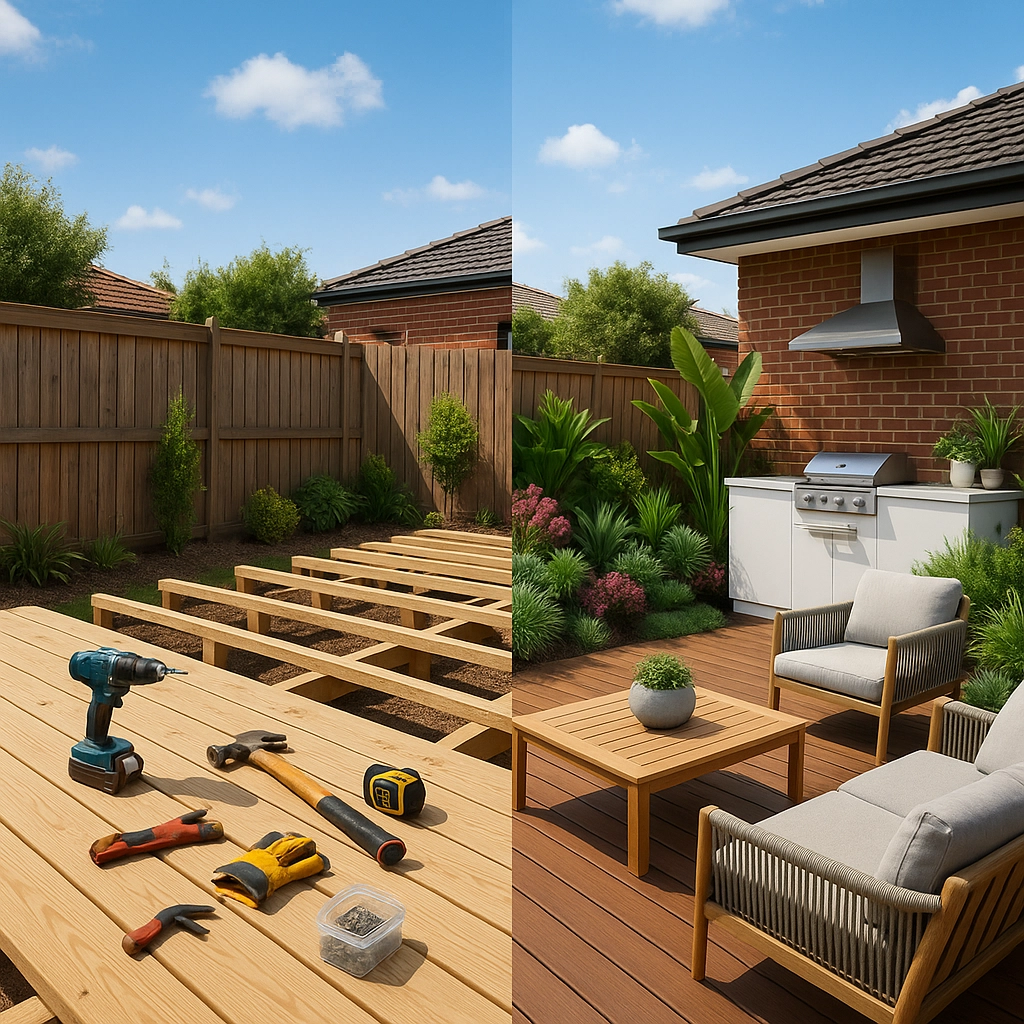
Extension/Outdoors: $16,000 for basics, up to $150,000+ for generous decks, alfresco kitchens, or pool surrounds.
Making Every Dollar Count
Fight “Scope Creep”: Stick to Your Plan
Scope creep is when small upgrades sneak in: “Let’s add a fancy tap”, “Why not heated floors?” Every extra can spiral. Have a clear finish line and compare each requested change against your goals and total budget.
Stay Local: Source Materials and Labour Close to Home
Transport adds up fast. Where possible, shop local for materials and use trades based in Melbourne’s west. Not only does this support the community, it can also mean faster turnaround and better accountability.
Sustainable, Energy-Smart Choices Pay Off
Quality-minded renovators are looking for more than good looks—they want homes that are cheaper to run. Invest in energy-wise lighting, insulation, and water-saving fixtures. These upgrades pay for themselves in lower bills (and add big appeal if you ever sell).
Quality Over Quantity: Long-Term Thinking
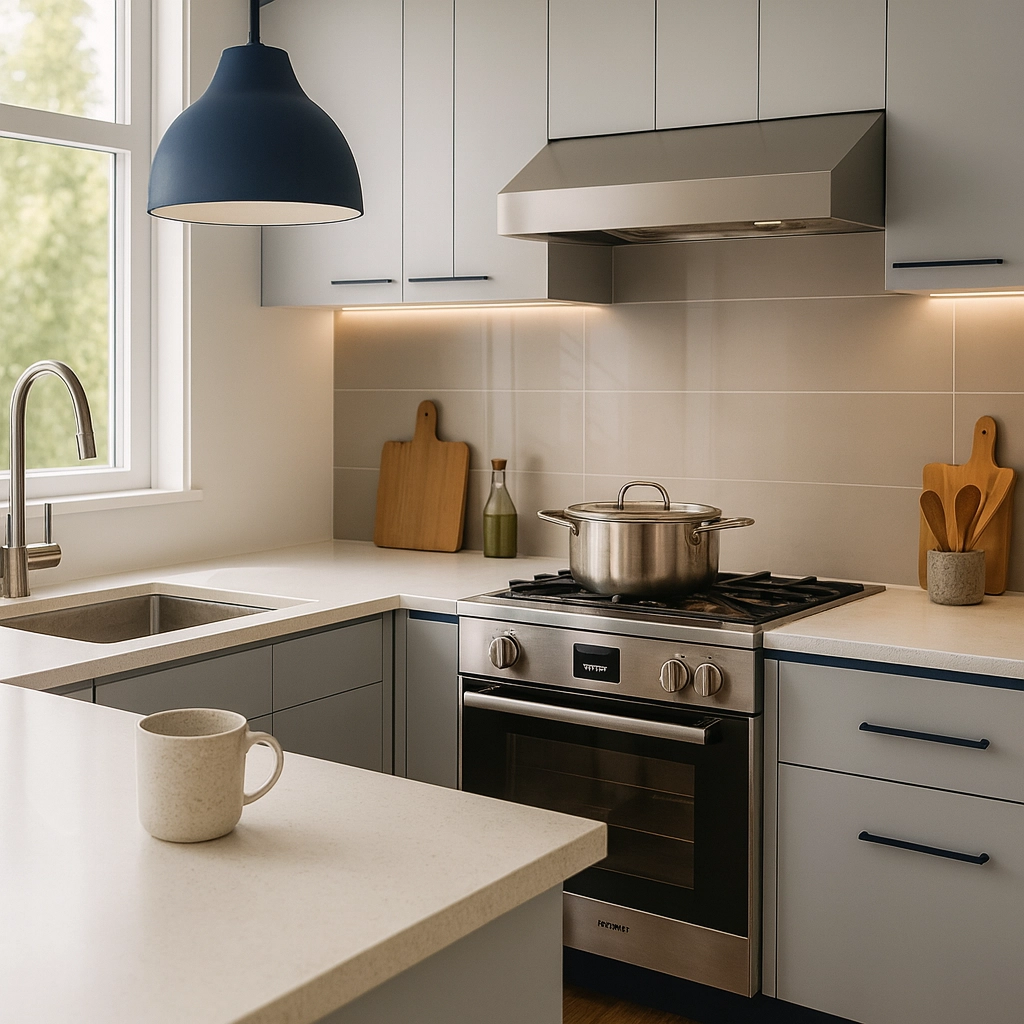
Homeowners who appreciate craftsmanship know that “the cheapest option” usually costs more in the long run. Prioritise structure, function, and finishes that can take real life.
As you build, think about not just what you want now, but how you’ll live tomorrow—and how your home will serve you years down the line.
Want more info on how to tackle your own renovation dreams for 2025? Head over to our renovations and extensions portfolio for inspiration, or get in touch with our team for a chat about practical, quality-first solutions.

Comments